
Meditation Practice: Getting Started
How to Start a Simple Meditation Practice for Calm and Clarity with Dr. Hackett’s Lonjiva Method
The Lonjiva Method is a simple and effective way toward a daily meditation practice that supports mental clarity, stress reduction, and emotional balance. Whether your are new to meditation or a seasoned practitioner, the foundation of mind exploration always starts with solid fundamentals that are revisited and explored anew on a routine basis. A recent study shows how meditation impacts cardiovascular health:
https://www.sciencedirect.com/science/article/pii/S2666667726001789?via%3Dihub
The Instructions (1st Stage)
Start with a quiet space where you can sit comfortably without distractions, but as you progress, try other environments to further identify deeper aspects of your mind differentiating from the ‘waves’ of the external. You do not need any special equipment—just a few minutes dedicated to cultivation of stillness and focus.
Initially, start with 5–10 minutes per day. Set a timer on your phone or use a free app like Insight Timer (it also helps you track your meditation habits). Settle in, then focus your attention on the sensation of your breath in your nose. Just you nose. Note the features of that sensation: warm or cool, soft or coarse, easy or labored, etc. This is a device to draw your focus into this the one involuntary response that you have complete voluntary control over.
As you work to entrain your mind on the singular nourishment of the breath itself, in and out, you become more centered, breathing deeply, your nervous system and emotional grip start to unwind.
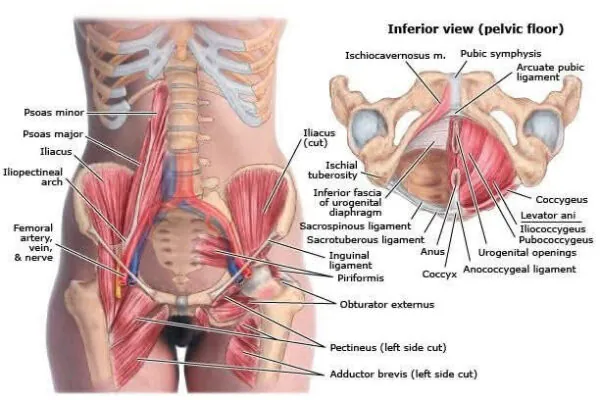
Continue Inhaling slowly and deeply, expanding your rib cage and pulling the breath to the bottom of your pelvis. Your torso should start to feel like a balloon that you try to fill more with each full inhale. At the top of your inhale, take a few more sips of inhale, fill your lungs a bit more, hold gently, then release your exhale slowly with awareness, empty your lungs.
Then begin again, keep drawing your attention back to the breath and the changing of sensations that come with it. This is the first step to learning this method, but it plenty to get you started on developing a deeper sense of relaxation in your life.
When thoughts arise, notice them, allow your focus on the breath to return, simply observe the flux of your thoughts as a normal part of the nature of your mind, then gently return to focusing on the rhythm of your breath without judgment. This softness of simple observation helps you train your focus and create distinctions of states of your mind so that you become more present and less reactive…with practice. That’s one reason it is referred to as a meditation practice and not a meditation “accomplished.”
Over time, regular practice of Lonjiva Method Meditation may help reduce stress, improve sleep, and support emotional stability. In addition, it can enhance focus and overall mental well-being.
Benefits of a routine practice can support both mind and body in several ways:
Reduces stress and anxiety
Improves concentration and focus
Supports emotional balance
Enhances sleep quality
Encourages a sense of inner calm
Even a few minutes daily can make a meaningful difference when practiced consistently. The goal of this practice is not about achieving perfection but rather is about building awareness and creating more internal space and a sense of control over how much your emotional reactions control your responses in daily life.
There is a saying from Hindu yoga that carried over to Buddhist meditation practice: “The mind is like a drunken monkey that’s been stung by a scorpion. You decide whether you are going to grab its tail and let it drag you around or not. Choose carefully.”
Meditation can help you make those distinctions with regular practice. Even with a few focused minutes each day, you can achieve a better sense of centeredness, focus, and more balanced emotional regulation.















Latest Posts