
What Is Dry Needling?
The Art of Needling Techniques
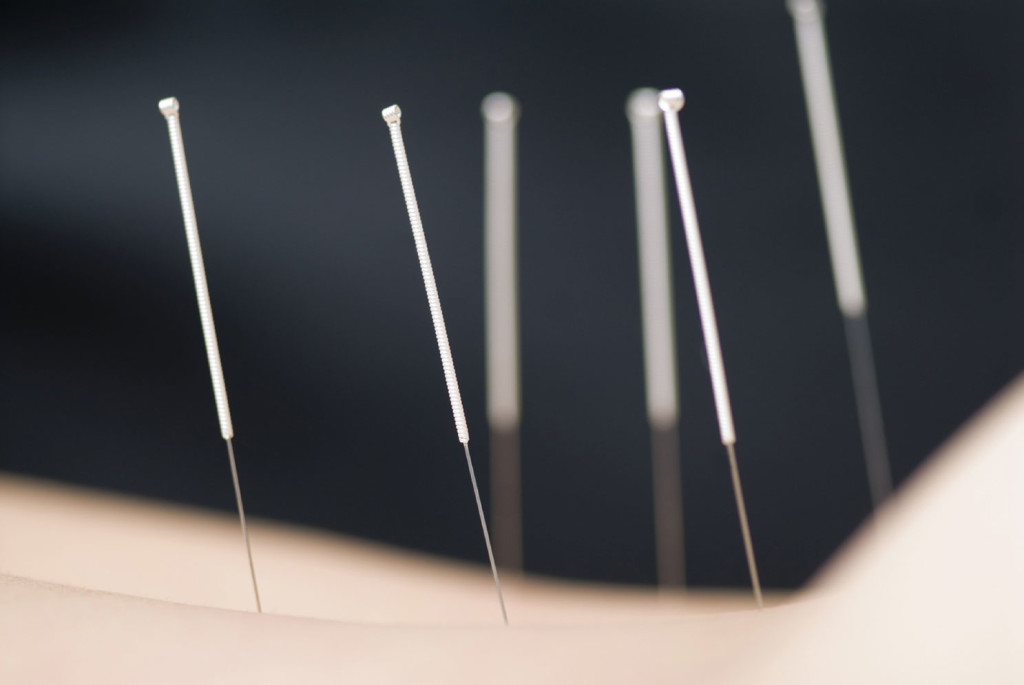
The art of needling techniques represents one of the oldest documented forms of healthcare within acupuncture and Traditional Chinese Medicine (TCM). Over many centuries, practitioners have developed and refined over a dozen needling styles to address different patient needs and treatment goals.
Additionally, doctors of TCM use a wide variety of techniques, each designed with specific therapeutic intentions. Rather than relying on a single approach, acupuncture incorporates a broad range of methods that practitioners tailor to each individual.
A common modern misconception suggests that acupuncture only focuses on moving “Qi” or energy to rebalance the body. In reality, this concept forms one aspect of the foundation of a broader medical system. Acupuncture actively influences all aspects of tissue regulation, pain pathways, circulation, and nervous system responses through multiple physiological and structural techniques with the Qi/vitality aspect as an organizing and pervasive principle, not a reductive one.
Many people associate dry needling with trigger point release alone; however, it represents only one limited application that is conducted without much training to inform its application, whereas compared to the full scope of acupuncture techniques, it’s quite limited. Different acupuncture styles—such as Chinese, Japanese, and Korean—offer distinct methods and treatment principles. There are effective needling techniques for children, for instance, that do not require piercing the skin but yield a therapeutic effect (Toyahari). Within each system, practitioners actively select techniques based on the patient’s health condition, sensitivity, and therapeutic goals. As a result, treatment becomes highly individualized. Dr. Hackett chooses techniques carefully to ensure both effectiveness and your comfort while supporting optimal outcomes.
Historical Notes: Dr. Sun Simao
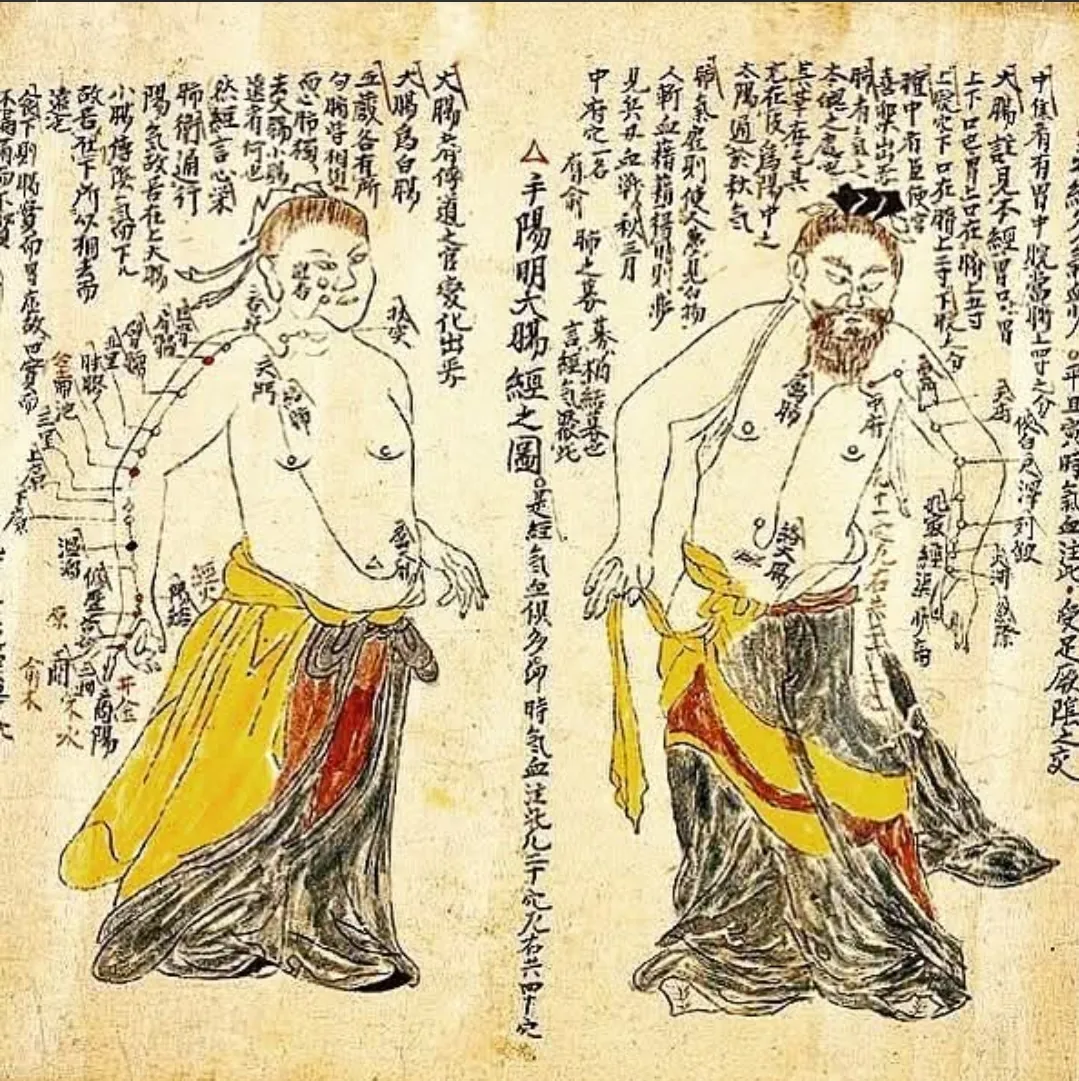
Dr. Sun Simiao was one of the earliest surgeons and acupuncturists in history. He lived during the Sui and Tang dynasties (541-682 CE). He invented the technique of needling points between the spinous processes that effectively releases muscle tension in the lattice muscles that can compress the nerve roots of the spine. Releasing these small muscles can provide significant relief for back pain and radiculopathy (radiating pain due to impingement).


Latest Posts