


Brain Health Strategies with East-West Functional Medicine
Enjoy Koral Blog
Acupuncture’s Action of Regulating Qi and Calming Shen (Spirit) Results in Modulation of Brain Activity and Promotion of Overall Brain Activity Health
Just like the old saying about planting trees, the next best time to support your brain health is today. Regardless of where you think your cognitive health is, the demands on our brains and minds will only increase over time. There are manageable ways to improve your brain longevity and thrive with each new demand. Acupuncture may be a powerful option to support that and it may surprise you, but the evidence is clear.
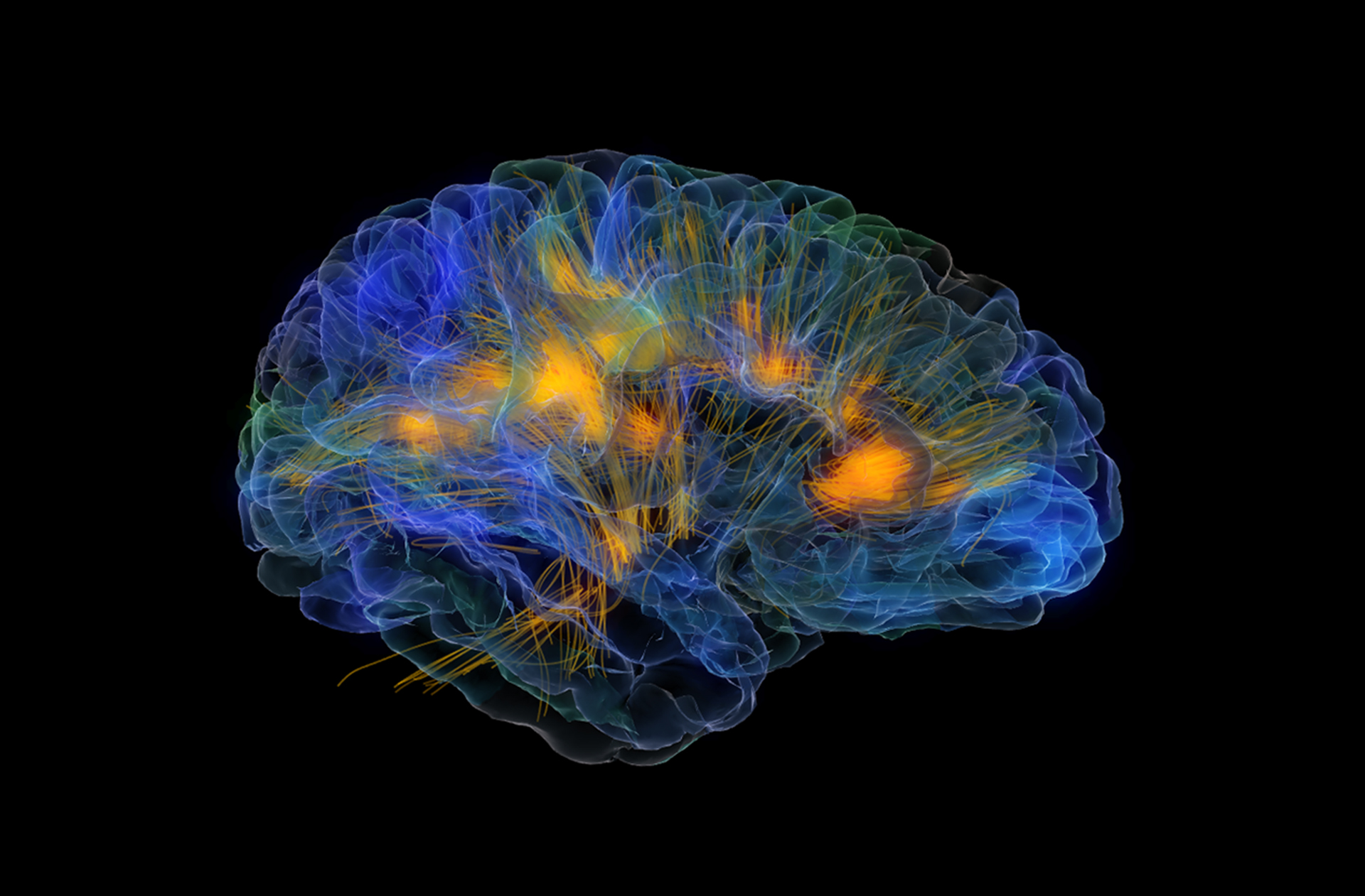
Acupuncture has far more benefits to health than pain relief. It is a sophisticated neuromodulatory therapy as well. Decades of functional magnetic resonance imaging (fMRI) research into understanding the effects of acupunture have demonstrated that acupuncture stimulation produces measurable, specific changes in brain activity, functional connectivity, and network dynamics. These studies provide compelling mechanistic evidence for how acupuncture influences cognition, memory, emotion, and neuroplasticity.
fMRI research shows that acupuncture modulates the default mode network (DMN)—a key system of the brain involved in self-referential thought, memory, and mind-wandering (daydreaming), and its anti-correlated networks that help restore balanced brain function. In patients with mild cognitive impairment (MCI), acupuncture increases regional homogeneity (ReHo) in critical areas such as the right insula, left anterior cingulate/paracingulate gyri, right thalamus, right middle frontal gyrus, and right middle temporal gyrus—regions central to cognitive processing, attention, and emotional regulation. (I will translate that into basic English later, hang in there with me).
Specific acupoints produce targeted effects. Stimulation at LR3 (Taichong, on the foot) and LI4 (Hegu, on the hand) together activate cognitive-related regions and significantly improve abnormal functional connectivity in the hippocampus, thalamus, and fusiform gyrus in individuals with MCI and Alzheimer’s disease. De-qi (the characteristic therapeutic needling sensation) correlates with activation in sensorimotor and cognitive processing areas of the brain, including the dorsomedial prefrontal cortex, alongside deactivation in DMN regions. Correct needling technique at points like KI3 (near the ankle) has been associated with more extensive connectivity changes linked to therapeutic outcomes in MCI. These points and others in a ‘prescription’ that an acupuncturist uses in a treatment behaves like a constellation of sorts, there is a subtle communication between the points, almost like keys on a computer keyboard. Your body’s deepest intelligence understands this signal and the healing response activates accordingly.
Long term acupuncture treatment enhances hippocampal functional connectivity with the inferior and middle temporal gyri in amnestic MCI, supporting memory networks. These neuroimaging findings illustrate acupuncture’s capacity to promote neuroplasticity, reorganize disrupted brain networks, and modulate limbic-paralimbic and cognitive circuits—providing a scientific bridge to TCM principles of regulating Qi, tonifying Kidney Essence (nourishing the Sea of Marrow), and calming/anchoring Shen.
Clinical evidence further supports these mechanisms. Meta-analyses and trials show acupuncture improves cognitive function and daily activities in post-stroke cognitive impairment, enhances scores in subjective cognitive decline (with associated hippocampal changes), and benefits patients with MCI when used alone or adjunctively.
TCM diagnosis perspective: Acupuncture opens and regulates channels, tonifies deficiencies (e.g., Kidney Jing via points like KI3, BL23), clears obstructions that cloud the mind (phlegm, stagnation), and directly calms or anchors Shen (using points such as HT7, PC6, or auricular Shenmen). fMRI data visually validates that acupuncture directly activates these changes by showing real-time shifts in brain function in real time; effects that TCM has described for millennia.
A course of 8–12 acupuncture sessions (typically 1–2×/week) by an expert licensed acupuncturist (ideally DAOM-level, like me, Dr. Hackett) often yields noticeable improvements in mental clarity, focus, mood stability, and sleep. Maintenance care (usually once or twice per month) sustains the network-level type of benefits observed in imaging studies. Scalp acupuncture and protocols targeting Shen or Kidney pathways are particularly relevant for cognitive and emotional balance and the treatment of essential tremor. Keep in mind that treatment is for chronic issues typically takes much longer to treat than sudden onset symptoms.
Self-care is an important addition to getting the most out of acupuncture treatment effects. Lifestyle choices that relax you and improve your brain function such as: meditation and cognitive exercises for neuroplasticity development and maintenance are very important. TaiChi and Qigong are my favorite activities for reintegrating myself during stressful times or when my health is not at its best. You may prefer spending time reading, walking, listening to audio books and taking some notes, listening to good music that uplifts your soul, dancing, journaling about your day and memories that pop up are all of therapeutic benefit. Limit screen time (including television) because it renders your brain less active. Be mindful of limiting light exposure at night so that your sleep cycle regulates well.
Let’s recap:
Key fMRI Takeaways: Acupuncture’s Effects on the Brain
• Network Modulation: Acupuncture mobilizes the default mode network (DMN) and its anti-correlated networks, helping restore balanced connectivity involved in memory, attention, and self-referential processing.
• MCI-Specific Changes: Increases regional homogeneity (ReHo) in key cognitive/emotional areas including the insula, anterior cingulate cortex, thalamus, and middle frontal/temporal gyri.
• Hippocampal Support: Enhances functional connectivity between the hippocampus and temporal gyri (longer-term benefits observed in amnestic MCI); improves abnormal connectivity in hippocampus, thalamus, and fusiform gyrus.
• Acupoint Specificity: Certain points have been shown to activate cognitive-related regions. The normal acupuncture stimulation sensation correlates with activation in dorsomedial prefrontal cortex (cognitive processing) and DMN deactivation.
• Overall Impact: Promotes neuroplasticity, cortical reorganization, and therapeutic connectivity changes—providing mechanistic support for cognitive, emotional, and memory improvements.
These imaging insights validate acupuncture’s role in brain health while bridging TCM theory with modern neuroscience.
Key fMRI Takeaways: What Brain Scans Reveal About Acupuncture
• Better Brain Teamwork: Scans show acupuncture helps different parts of the brain communicate more effectively. This includes areas involved in memory, focus, and emotional balance—much like tuning up your brain’s internal network.
• Stronger Memory Support: It appears to boost activity and connections in the hippocampus (your brain’s memory center) and related regions, which may help with recall and clearer thinking, especially as we age.
• Calming and Focusing Effects: Acupuncture influences areas that manage stress, attention, and decision-making. Many people notice improvements in mental clarity and a greater sense of calm after treatments.
• Personalized Points Matter: Specific acupuncture points (chosen based on your needs) light up cognitive and emotional centers in the brain. The sensations of acupuncture often felt during treatment are linked to triggering brain modulation changes.
• Real Hope for Brain Health: The modern fMRI scans help explain why acupuncture supports cognitive function, mood, and overall brain resilience—offering a safe, natural way to strengthen the house of your mind.
In simple terms, acupuncture doesn’t just reduce stress and elevate your sense of wellbeing, it creates measurable positive shifts in how your brain works. Talk with me, Dr. Hackett, about how it can fit into your personal wellness plan along with other medicinal mushrooms, herbal formulas, or orthomolecular formulas that I recommend cam round out a strong brain longevity program for the years to come. Make every day the best it can be.
Why suffer?
Dr. Tracy Hackett, AP DAOM
Hackett Holistic Health – East-West Functional Medicine





Latest Posts