
Self-Mastery = Improving Your Life Now
Dr. Hackett's 50+ Years of Meditation Practice and 20+ Years of Teaching and Energy Healing Work That Has Helped 100s of People Through Combined Techniques
Kintsugi: Healing Through Resilience and Renewal
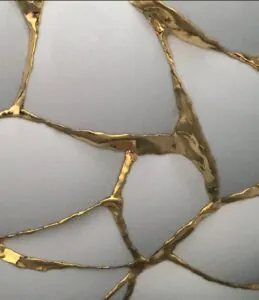
Kintsugi is the 15th-century Japanese art of repairing broken porcelain with veins of gold. Additionally, this practice is often described as a “golden journey,” where something once broken is carefully restored and given even greater beauty and value than before.
Historically, porcelain held significant value and was even used as a form of currency. Therefore, artisans repaired broken pieces with gold using a slow and intentional process that honored both the object and its history.
In this way, Kintsugi becomes a powerful symbol of resilience. Rather than hiding flaws, it highlights them, and it transforms damage into part of the story of strength and continuity.
Furthermore, this philosophy reflects the natural rhythm of life. Periods of breakdown often lead to renewal, and growth frequently follows change and disruption. Each transformation can represent a “mini-death,” followed by a new phase of rebuilding.
As a result, Kintsugi offers a meaningful allegory for healing from trauma. It reminds us that with care and restoration, what was once broken can become something even more meaningful, whole, and transformed.
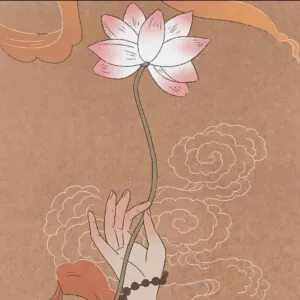 EHIPASSIKO (Pali) – Means “Come and See”. It is the Buddhist philosophy of shedding our cocoons of the ideas of routine understanding of self and truth through personal investigation and direct experience.
Trying on new awareness and grow into new form of our understanding of a more empowered self, more independent of old notions and things that no longer serve achieving our life purpose. This transformation is driven through mindfulness, meditation, and personal effort to develop toward our highest frequency vibration and understanding.


