
Natural, Drug-Free Cardiac and Pulmonary Support
Achieving better heart and lung health requires more than standard medical care. It also involves supporting the body’s natural balance and long-term vitality.
The heart is not only a mechanical pump. It is a highly coordinated muscle that works continuously to sustain life and circulation.
In Traditional Chinese Medicine (TCM), the heart is considered the center of emotional and physical wellbeing. It plays an important role in maintaining balance between body and mind.
Personalized Holistic Assessment Protocols
We begin by reviewing your full health history, including lifestyle, diet, exercise habits, and previous medical background.
This allows us to better understand your individual needs.
Based on this evaluation, we create a personalized wellness plan designed to support your long-term health goals.
Our approach integrates multiple holistic methods that aim to support vitality alongside your existing care plan.
Nurturing Your Cardiorespiratory Wellbeing
Achieving optimal heart and lung health goes beyond conventional interventions. It involves supporting the body’s innate regulatory systems, restoring balance, and promoting sustained vitality—especially important for those recovering from significant respiratory or circulatory stress.
The heart functions as a dynamic, rhythmic muscle that continuously supports circulation, oxygenation, and overall vitality. In Traditional Chinese Medicine (TCM), the Heart is viewed as the Emperor organ—governing not only blood flow but also the harmonious integration of mind, spirit, and physical resilience. The Lungs, as the delicate “canopy,” manage the intake of Qi (vital energy) and work in close partnership with the Heart to maintain fluid metabolism, immune defense, and emotional equilibrium.
When these systems are challenged—whether through environmental factors, prolonged strain, or lingering effects of illness—holistic care focuses on strengthening their interdependence. This includes modulating inflammation naturally, supporting tissue repair, enhancing oxygenation efficiency, and restoring rhythmic coherence between cardiovascular and respiratory function. The East-West Functional Medicine (Lonjiva Method) approaches are gentle yet powerful adjuncts that help the body recalibrate and rebuild resilience.
Supporting Natural Rhythms and Resilience
The heart and lungs operate in harmony with circadian and seasonal cycles, environmental influences, and the body’s terrain. Holistic strategies emphasize practices that reinforce this alignment:
Acupuncture and TCM modalities support better regulation of Qi and Blood flow, calm the Shen (spirit/mind), and support Lung-Heart synergy.
– Acupuncture demonstrably modulates blood pressure (BP) and heart rate (HR) primarily through effects of the treatment protocol on the autonomic nervous system (ANS), related neural, hormonal, and vascular pathways. This is a powerful tool for realignment of cardiovascular balance, stress-related issues, and for management of conditions like hypertension. Acupuncture, in conjunction with lifestyle changes or medications, enhancing overall control.
– Targeted nutritional and herbal support — emphasizing anti-inflammatory compounds, antioxidants, and botanicals that aid tissue recovery and mitochondrial function.
– Grounding and breath-centered practices — such as barefoot walking on grass, soil, or sand to reduce nervous system stress and improve vagal tone, alongside mindful breathing exercises that enhance lung capacity and cardiac coherence.
Evidence from Studies:
– Clinical Trials: In patients with mild-to-moderate hypertension, EA (e.g., at PC5-6 + ST36-37) for weeks has reduced systolic BP by ~6-8 mmHg and diastolic by ~4 mmHg, with effects lasting up to 6 weeks post-treatment in some cases. Ambulatory BP monitoring confirms real changes, not just white-coat effects.
– HR and HRV: Single sessions can lower HR and improve HRV metrics, suppressing cardiac sympathetic nerve activity.
How does Acupuncture support lung function?
It helps regulate breathing through autonomic nervous system (ANS) modulation, local respiratory effects, and TCM principles of Qi flow (the rhythm of how your vitality flows through subtle structures in your tissues). This builds directly on its cardiovascular benefits (e.g., enhanced vagal tone), making it valuable for dyspnea, asthma, COPD, and overall respiratory resilience in holistic practice.
Key Mechanisms:
1. Autonomic Nervous System Regulation (Especially Vagal/Parasympathetic Tone):
– Acupuncture boosts parasympathetic activity via the vagus nerve, promoting slower, deeper breathing and reducing sympathetic-driven rapid/shallow patterns.
– This improves heart rate variability (HRV) and respiratory sinus arrhythmia, enhancing breathing efficiency and oxygen exchange.
– It encourages relaxation bronchial smooth muscle, reduces airway inflammation, and modulates mucus production.
2. Central and Peripheral Neural Effects:
– Stimulation of somatic afferents influences brainstem respiratory centers, helping normalize respiratory rate and depth.
– Improves diaphragm function and strength, reducing respiratory muscle fatigue — crucial for conditions like COPD.
3. Anti-Inflammatory and Immune Modulation:
– Reduces pro-inflammatory cytokines, easing airway inflammation and hyperreactivity (e.g., in asthma).
– Supports Lung Qi (TCM) for better dissemination of defensive Qi, aiding immunity and preventing infections.
4. Bidirectional and Homeostatic Effects:
– Normalizes patterns: eases labored breathing in excess conditions while strengthening weak Lung function in deficiencies. Effects are often cumulative with regular sessions.
Evidence from Studies
– COPD and Dyspnea: Adjunctive acupuncture improves lung function metrics like FEV1, FVC, and FEV1/FVC; reduces hypoxia, enhances 6-minute walk test distances, and lowers dyspnea scores (mMRC). Benefits seen in exercise tolerance and quality of life, sometimes sustained post-treatment.
– Asthma: Reduces attack frequency, improves peak flow, and decreases reliance on rescue meds. Enhances bronchodilation and oxygen saturation during activity.
– General Respiratory: Better ventilation, reduced breathlessness, and improved arterial blood gases (e.g., higher PaO2, lower PaCO2). Mild side effects reported; generally safe as adjunctive therapy.
Emotional and Spiritual Dimensions
Emotions strongly influence this pair:
– Lung: Governs grief and sadness. Unresolved grief can constrict Lung Qi, leading to chest tightness, shallow breathing, or weakened immunity.
– Heart: Governs joy (or mania if excessive). The Lung’s role in “weaving” Qi and Blood in the chest also ties into emotional processing—the Lungs help “release” sadness that might burden the Heart.
Practices that support both often address emotional resilience, such as breathwork, acupuncture points on the Lung and Heart meridians (e.g., LU 7, HT 7), or calming the Shen while dispersing constrained Qi.
Vibrant Health - Now and Future
Lung Health
The Most Delicate Organ
Traditional Chinese Medicine has dozens of formulas specifically designed for the care and health of the lungs.
The lungs and the heart have a close functional relationship that goes beyond proximity.
Cardio-Metabolic Facts Vs. Myths
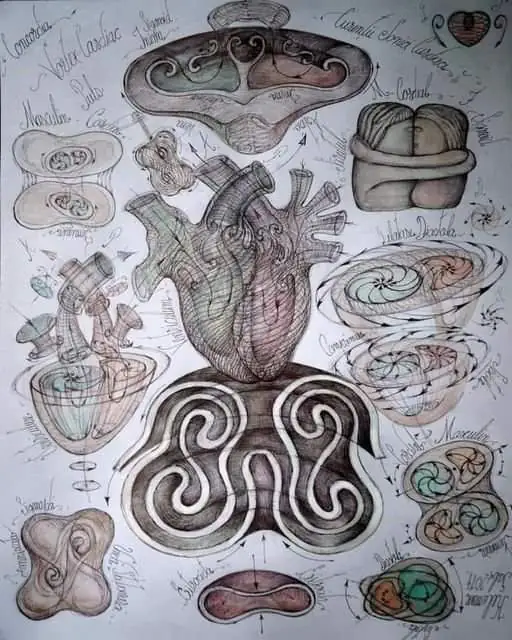
Cholesterol levels that were considered healthy were higher (300), up until the 1990s when statin drugs were introduced. Cholesterol provides many important functions for hormone creation, brain and nerve health, muscle health, and digestive health.
Cholesterol: Beyond the Myth – Understanding Its Vital Role and the Concerns with High-Dose Statins
For decades, cholesterol has been portrayed as a dangerous villain in heart disease narratives. Yet this oversimplification overlooks cholesterol’s essential functions in the body and the historical shifts in what’s considered “normal” levels—changes that coincided with the rise of statin medications in the 1990s.
The Shifting Definition of “High” Cholesterol
Prior to the widespread adoption of statins, total cholesterol levels up to 300 mg/dL were often viewed as within a normal, healthy range for many adults. Guidelines and clinical perspectives evolved dramatically with the introduction and aggressive marketing of statin drugs. Recommendations began pushing for progressively lower targets, particularly for LDL (“bad”) cholesterol, sometimes aiming below 100 mg/dL or even 70 mg/dL for higher-risk individuals.
Far from being a harmful substance, cholesterol is a foundational molecule your body produces naturally (primarily in the liver) and requires for survival. It serves critical roles across multiple systems:
– Hormone Production: Cholesterol is the essential precursor for steroid hormones, including cortisol (stress response), aldosterone (blood pressure regulation), estrogen, progesterone, and testosterone. Balanced hormone levels support metabolism, mood, reproductive health, and resilience.
– Brain and Nerve Health: The brain contains more cholesterol than any other organ. It is vital for myelin sheath formation (which insulates nerves for efficient signaling), synapse function, and overall cognitive health. Low cholesterol has been linked in some research to concerns around memory, mood, and neurological function.
– Muscle Health and Cellular Integrity: Cholesterol is a key component of every cell membrane, maintaining structural integrity and fluidity. It supports muscle repair, strength, and recovery.
– Digestive Health: The liver uses cholesterol to produce bile acids, which are crucial for breaking down and absorbing dietary fats and fat-soluble vitamins (A, D, E, and K). Proper bile function aids nutrient uptake and detoxification.
In short, cholesterol is not an enemy—it is a vital building block for life, immunity, vitamin D synthesis, and whole-body homeostasis.
A Holistic, “And, Both” Approach at Hackett Holistic Health
Dr. Hackett does not dismiss conventional tools when indicated by your health history, conditions, and preferences. Instead, she prioritizes root-cause investigation and personalized strategies that support your body’s innate healing intelligence:
– Comprehensive lab testing (beyond just basic lipid panels—looking at particle size, inflammation markers like hs-CRP, insulin resistance, nutrient levels, and more).
– Nutritional optimization: Emphasizing anti-inflammatory whole foods, healthy fats, fiber, and targeted supplements that support natural lipid balance and mitochondrial health.
– Acupuncture and TCM: To regulate Qi, support circulation, reduce stress on the cardiovascular system, and promote overall balance.
– Lifestyle foundations: Movement, stress reduction, sleep, and grounding practices that enhance heart-lung resilience and metabolic health.
True heart health emerges from reducing inflammation, improving endothelial function, and nurturing the body’s terrain—not solely from driving numbers into artificially low ranges.
Ready to explore a more nuanced path to cardiovascular wellness? Schedule your personalized treatment and consultation. Together, we’ll review your unique health story and design a plan that honors both evidence-based integrative care and your long-term vitality. Dr. Tracy Hackett, DAOM, AP – Hackett Holistic Health, empowering whole-person resilience in Palm Beach Gardens, FL.

qcmco8
testing